


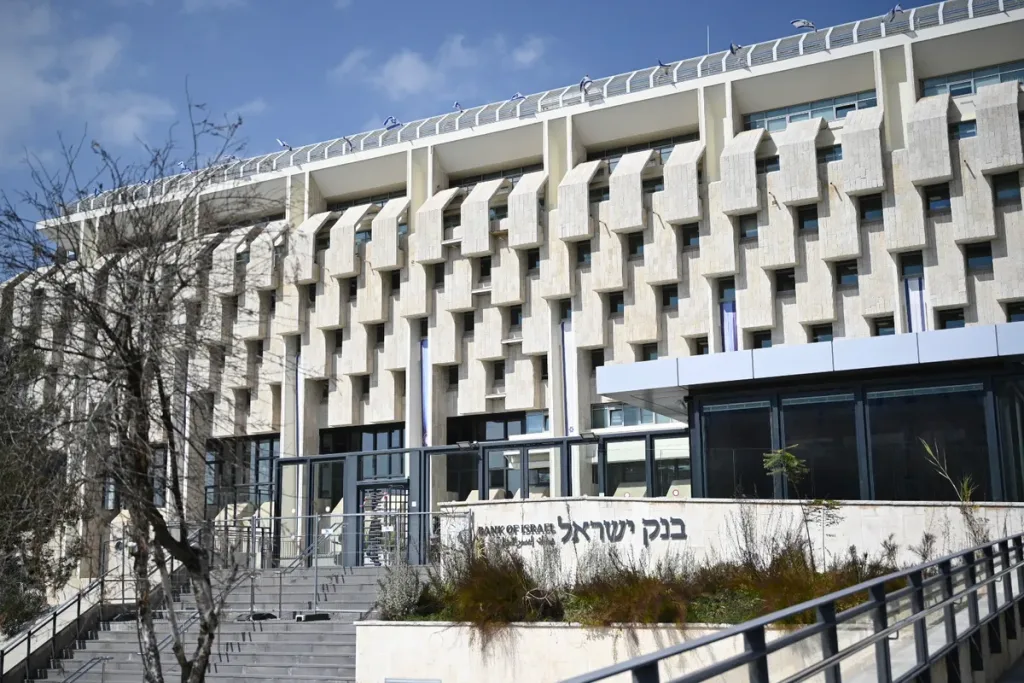
Bank of Israel Buys $801 Million in Forex Amid Shekel Volatility
The Bank of Israel purchased $801 million in foreign currency in May to stabilize the shekel amid its volatility, pushing reserves to a record high in Israel.
The Bank of Israel purchased $801 million in foreign currency in May to stabilize the shekel amid its volatility, pushing reserves to a record high in Israel.
In July 2026, Israel's average gross monthly salary hit 14,534 Shekels ($3,880), up 3.4% year-over-year, with real wages also growing.
The US dollar climbed sharply against the Israeli shekel, reaching NIS 3.08, as the currency faced renewed pressure in foreign-exchange trading.
On Tuesday, September 28, 2026, the Bank of Israel reported end-of-day exchange rates showing most foreign currencies appreciated slightly against the Israeli.
Israel's tourist hotel revenue fell to 5.4 billion shekels in the first half of 2026, down from 6.1 billion shekels a year prior, with hotel employment also.
Israel's public financial assets reached $2 trillion in Q2 2026, a 4.6% increase fueled by foreign equities, cash, and corporate bonds.
The Bank of Israel set end-of-day Shekel exchange rates on Wednesday, September 23, 2026, with most major currencies experiencing slight depreciation.
In 2025, foreign-controlled companies employed 288,000 in Israel, with nearly half in high-tech, according to the Central Bureau of Statistics.
Bank of Israel set Monday, September 7, 2026, end-of-day Shekel exchange rates, with the US Dollar trading at 3.0120 NIS and the Euro at 3.5015 NIS.
Israel unveils a new framework to open its sheep and goat cheese market, injecting 100 million shekels into dairy farming and aiming to save consumers millions.
Israel's Fuel Authority announced a half-shekel drop in gasoline prices to 7.75 shekels per liter starting Monday, September 7, due to updated excise taxes.