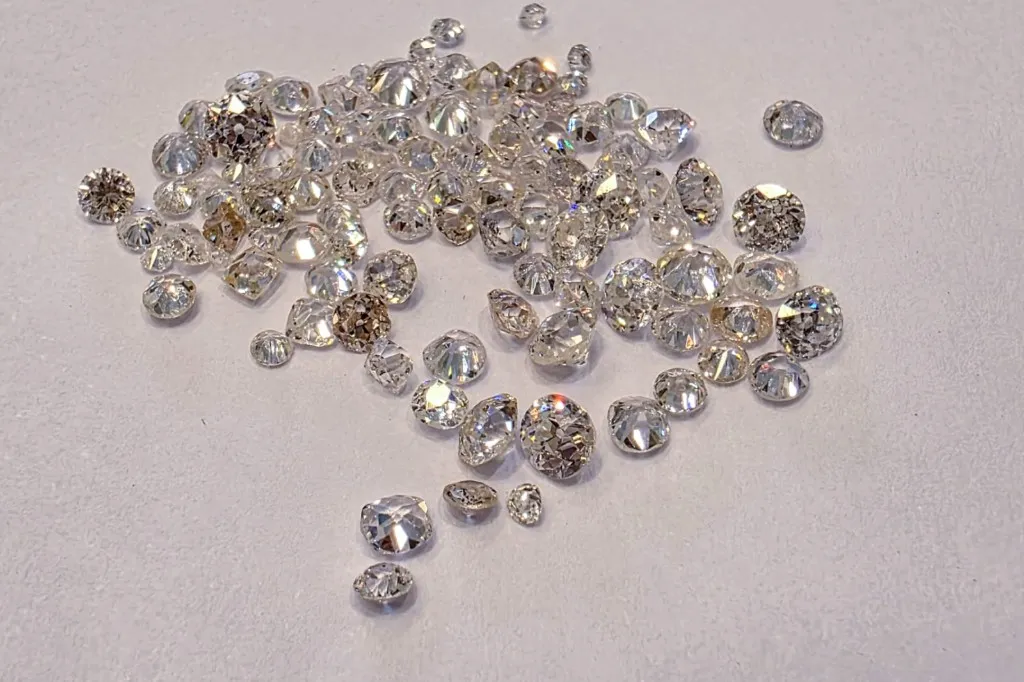
Jerusalem, 13 October, 2026 (TPS-IL) — Global diamond giant De Beers is resuming its auctions in Israel after a nine-year hiatus, bringing its diamonds back to the Israel Diamond Exchange in Ramat Gan this week as the country’s diamond industry seeks to reverse a prolonged decline.
The auctions, scheduled for Tuesday through Thursday, come days after the exchange and the Israel Tax Authority finalized a new tax agreement for 2027-2028, part of broader efforts to revive Israel’s diamond trade and attract international companies.
“Under the agreement, diamond traders who choose to join the arrangement will know at the beginning of the year how much tax they will owe, as their taxable income will be set in advance at a fixed, low percentage of their turnover,” Diamond Exchange spokeswoman Tomer Assaf told The Press Service of Israel. “In addition, the minimum income floor will be abolished, eliminating a previous requirement that forced diamond traders to report a high income even when their business activity was limited.”
Israel’s total diamond trade has fallen from approximately $12 billion in 2015 to roughly $4 billion in 2026, according to industry figures cited in Israeli media. Industry leaders hope the new tax framework will make Israel a more attractive base for international diamond companies and traders.
De Beers reported $3 billion in rough diamond sales in 2025, selling 20.9 million carats during the year. The company operates mines in Botswana, Namibia, South Africa and Canada.
The London-headquartered mining group Anglo American holds an 85% stake in De Beers, with the government of Botswana owning the remainder. In July, reports emerged that a consortium comprising the governments of Namibia and Angola and leading diamond industry figures had been selected to acquire Anglo American’s share for $1 billion. The transaction has not yet been finalized.
De Beers’ return comes as the Israel Diamond Exchange seeks to restore the country’s position in the global diamond trade, competing with established trading centers such as Antwerp and Dubai.
Diamond Exchange President Nissim Zuaretz said the new tax agreement was intended to give traders greater certainty and stability while strengthening Israel’s international standing.
The exchange has not disclosed how many dealers are expected to join the arrangement or how many foreign companies it hopes to attract. Tax policy is only one factor affecting the industry, alongside global demand, competition from other trading centers and the growing market for lab-grown diamonds.