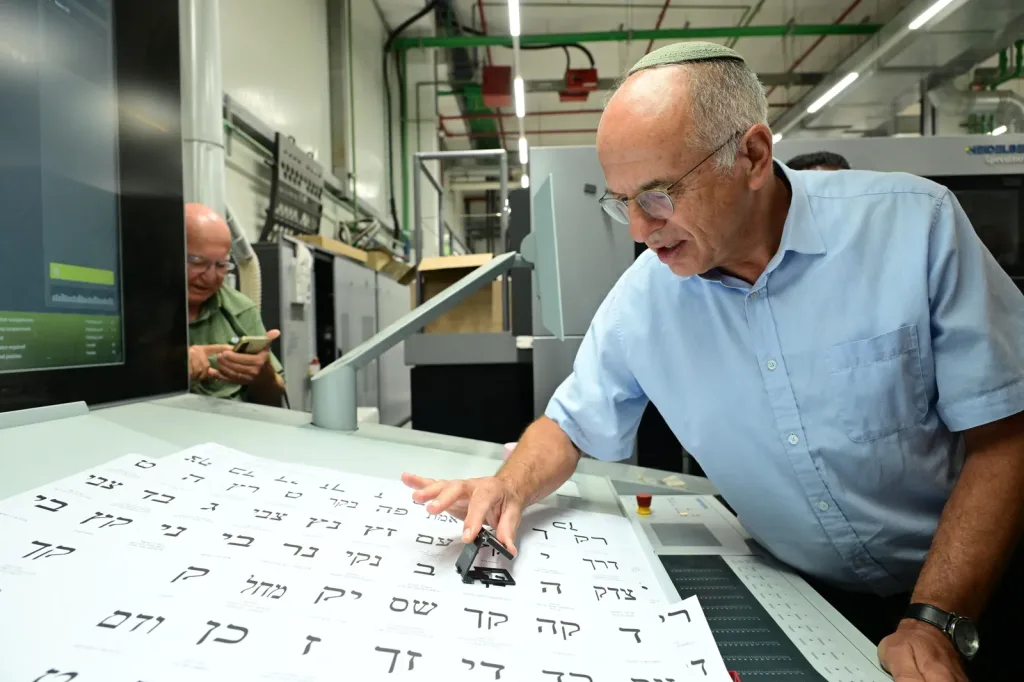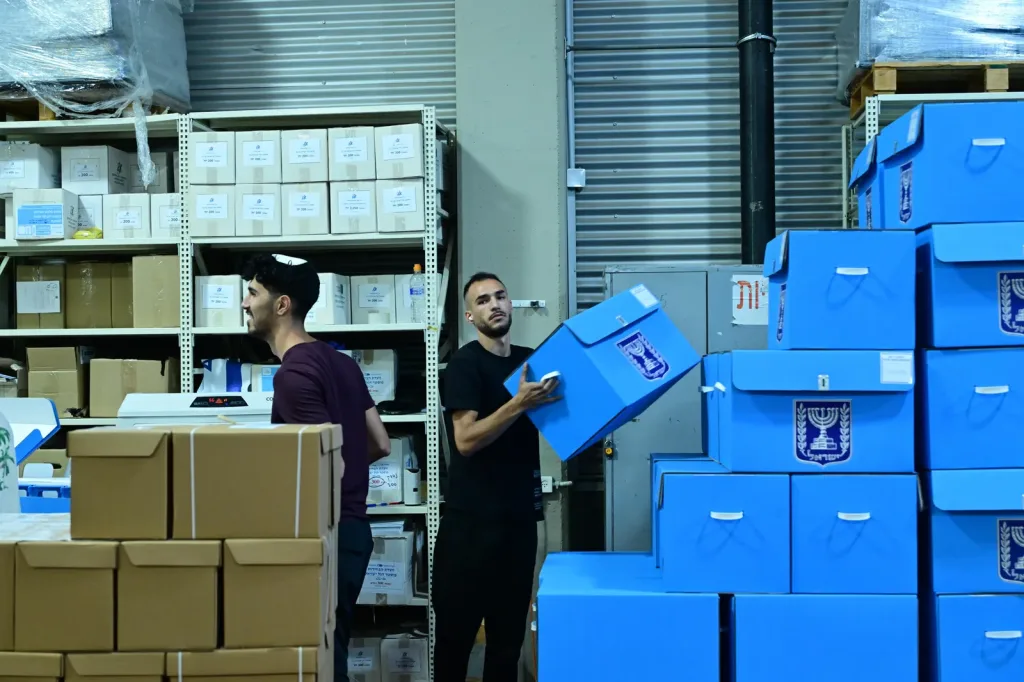
Jerusalem, 15 October, 2026 (TPS-IL) — For more than a half-million Israelis, the Oct. 27 election will be their first chance to vote. Some are focused on security and the cost of living; others are frustrated with the political system but still believe their vote could make a difference.
In exclusive interviews with The Press Service of Israel, young first-time voters described a generation shaped by war, economic pressures, and deep skepticism toward political leaders. Although their priorities and outlooks differ, two interviewees said they expected to vote much as their parents do.
According to the Israel Democracy Institute (IDI), around 640,000 Israelis aged 18 to 22 are expected to vote for the first time. Analysts note that this could account for 10-12 of the Knesset’s 120 seats. Whether they will favor any particular political camp remains unclear.
Hillel Tamir, 20, lives in Ariel, in Samaria, and is self-employed in digital marketing. He plans to vote, but his decision comes with deep reservations about the country’s economic conditions and political leadership.
“As a business owner, I pay more than 50% of my income in taxes overall,” he said, noting that he had considered leaving Israel for countries with more favorable tax conditions, including Cyprus, Panama, and Paraguay.
A credible plan addressing both security and the economy would help restore his confidence, he said. A genuine vision would “give me hope that perhaps this country could survive and that I could build a life here.”
His willingness to vote does not reflect confidence in the political system.
“I do not trust the country’s institutions. I am voting solely because there is one person who might, just might, be able to change something, although it is still hard to believe,” he said.
Hillel added, “After the so-called ‘failure’ that occurred here on October 7, I cannot, in my view, look at the country’s leadership and military commanders with naive eyes. Someone here did not want to protect the people of Israel badly enough.”
Hillel also said his voting choice was influenced by his parents and by the consolidation of party lists into a technical bloc, despite differences in their political outlooks.
“I am voting like my parents, largely because of the merger of lists into a technical bloc, although our views differ,” he said. “I believe more strongly in individual liberty and everyone’s freedom to do as they please. My parents are more traditional.”
For Naomi Rivka, 18, from Netivot in southern Israel’s Negev region, security, education, and the economy are the main issues shaping her first vote. She is currently doing Sherut Leumi, a year of national volunteer service in a civilian framework.
Her views have evolved during the war, she said, strengthening rather than weakening her connection to the country.
“My views have become sharper and clearer as a result of the war,” Naomi told TPS-IL. “I feel more connected to the country because of the war.”
She doesn’t believe people understand her generation, stressing, “I would like them to better recognize the difficulties we face when entering the workforce.”
Despite their different concerns, Hillel and Naomi share one point of reference: their parents. Both say they expect to vote much as their families do.
Young Voters’ Priorities
The issues young voters identify are familiar: security, the cost of living, and the challenge of building an independent life. Rising prices and an expensive housing market add to the pressures facing young adults, while military or national service can shape their transition into employment and higher education.
Israel Democracy Institute research suggests that interest in voting is substantial, although participation intentions vary among communities. Among secular Jews, 72% said they were certain to vote. In Arab society nationwide, 87% expressed an intention to vote.
Political interest is also high among young respondents. About 62% said they follow the news, with the figure rising to 77% among young Orthodox (Haredi) Jews.
Where young Israelis get their information may also shape how parties reach them. According to the IDI’s research, 58% rely on social media as their main source of information ahead of the election.
One IDI survey aimed at young voters and circulated in late September offered a snapshot of their political preferences. Gadi Eisenkot’s Yashar party led with 16% of respondents, followed by Likud, headed by Prime Minister Benjamin Netanyahu, at 14%. Naftali Bennett’s Beyachad received 10%, United Torah Judaism 9%, and the Democrats 7%.
For pollsters, first-time voters present a particular challenge: they have no personal voting history against which to compare their stated preferences.