By Pesach Benson • September 8, 2026
Jerusalem, 8 September, 2026 (TPS-IL) — Israeli scientists have identified a previously unresolved calcium-regulated system that helps plant seeds control potentially harmful salt before they emerge from the soil, providing new insight into how plants maintain the mineral balance needed to germinate in salty conditions.
The findings could eventually help develop crops better able to germinate in salty soils. By identifying the system that helps young plants maintain a balance between sodium and potassium, the research may help scientists breed or genetically modify crops with greater salt tolerance.
Soil salinity is a major global agricultural problem. Nearly 1.4 billion hectares of land worldwide are already affected by salt, including 10% of both irrigated and rain-fed cropland, according to the Food and Agriculture Organization of the United Nations.
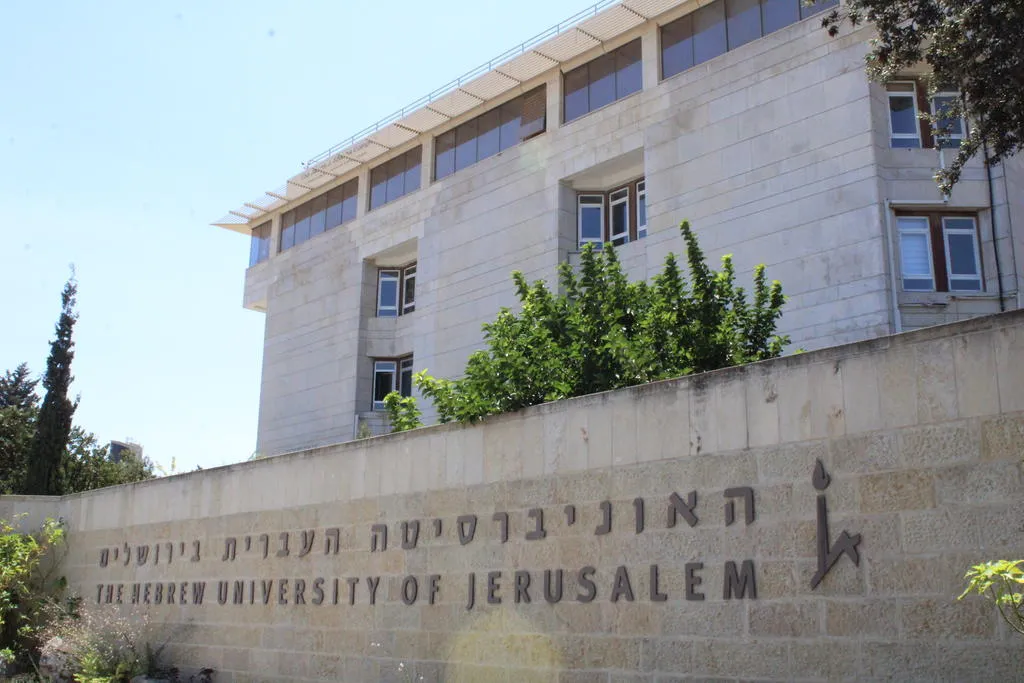
The study, led by Dr. Doron Shkolnik of the Hebrew University of Jerusalem, found that calcium signaling helps coordinate three proteins—CAMTA6, PP2C49 and HKT1;1—during seed germination under salt stress.
That balance is crucial. Plants need potassium for their cells to function properly, while excessive sodium can interfere with those functions. Salt also makes it harder for seeds to absorb water.
Some soils are naturally salty, but farming can make the problem worse. When fields are repeatedly irrigated, water evaporates, leaving dissolved salt behind. Drought, poor drainage and seawater entering coastal groundwater can also cause salt to accumulate in farmland.
“Seed germination is an extremely vulnerable stage in a plant’s life, and salt can disrupt the mineral balance a young plant needs before it has even emerged from the soil,” Shkolnik said. “What we are beginning to uncover is the control system behind that response.”
The researchers studied Arabidopsis thaliana, a small plant in the mustard family that is widely used in plant research. They found that the three proteins form part of a calcium-responsive regulatory network that controls the plant’s sodium and potassium balance.
The system is also organized differently in different parts of the embryo. Salt stress activates CAMTA6 at the edges of the embryonic leaves, known as cotyledons, while calcium stimulates HKT1;1 in the embryonic root, or radicle. CAMTA6 also regulates PP2C49, which in turn affects HKT1;1.
Boosting Germination
The researchers tested the pathway using sanguinarine, a natural compound derived from the bloodroot plant that inhibits PP2C proteins. Treating seeds with the compound increased germination under salt stress.
Under moderate salt stress, 76% of untreated seeds germinated, compared with 92% of seeds treated with sanguinarine. Under more severe conditions, germination rose from 3% to 37%.
The treated seeds also maintained a healthier sodium-potassium balance, supporting the researchers’ conclusion that sanguinarine was affecting the pathway they identified.
The discovery could eventually help scientists develop crops that germinate better in salty soil through breeding or genetic modification. The findings also point to possible chemical approaches for influencing the same pathway, although much more research is needed before such strategies could be used in agriculture.
Sanguinarine itself is not a ready-made solution for salty farmland. Its benefits were limited to the germination stage and did not protect young plants after they had sprouted.
The researchers also found evidence that additional calcium-responsive genes are involved in the salt response, suggesting that the newly characterized system is part of a larger network.
The study was published in the peer-reviewed journal The Plant Journal.