


By Pesach Benson • September 24, 2026
Jerusalem, 24 September, 2026 (TPS-IL) — Israeli scientists have used computer-designed changes to strengthen genetically engineered T cells, potentially improving the effectiveness of experimental cell therapies for cancer and viral infections.
T cells are white blood cells that play a central role in the immune system. In some experimental cancer treatments, doctors genetically modify a patient’s T cells so they carry receptors designed to recognize specific molecules on cancer cells.
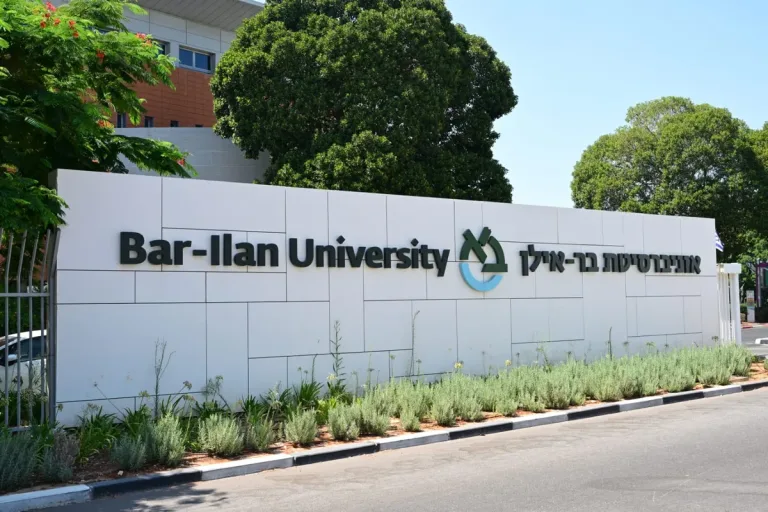
One challenge is that an engineered receptor can interact incorrectly with components of the T cell’s existing receptor system, potentially reducing its stability and effectiveness. Researchers at Bar-Ilan University and the Weizmann Institute of Science sought to overcome this problem by redesigning conserved parts of the T-cell receptor (TCR), regions shared by different receptors, while leaving unchanged the portion that determines which target the T cell recognizes.
The researchers used two computational protein-design methods to identify changes that could make the TCR more stable and effective. The resulting receptor, called SET, for Structurally Enhanced TCR, showed improved surface expression and stronger activation and increased the cancer-killing ability of engineered T cells, according to the study.
The team tested SET with six different TCRs and found that the enhanced receptor improved their performance, suggesting that the same design could potentially be used across multiple T-cell therapies.
Enhanced T-Cell Activity
In experiments involving mice implanted with human tumors, T cells carrying the SET receptor slowed tumor growth. After 83 days, tumors treated with the enhanced cells were about 35% smaller than those in untreated control mice. By day 127, all mice that received the enhanced T cells were alive, compared with fewer than half of the control animals.
The researchers also tested T cells designed to recognize cancer-associated targets, including one linked to melanoma. They then tested the approach against targets from Epstein-Barr virus and SARS-CoV-2, the virus that causes COVID-19. In each case, the enhanced cells showed stronger immune activity than cells carrying the original receptor.
“Computational protein design is giving us a new and much more effective way to engineer the immune system,” said research leader Prof. Cyrille J. Cohen of Bar-Ilan University. “In this study, we used computational design to make T cells substantially more powerful at attacking their targets, and we saw this effect across both cancer and viral targets.”
Prof. Sarel Fleishman of the Weizmann Institute, who led the computational design work, said the findings could reduce the need to optimize each therapeutic receptor separately.
“Instead of spending years identifying enhancing mutations for every single therapeutic candidate, we expect the designed mutations to improve any TCR,” he said.
Study lead author Maria Radman of Bar-Ilan University said the results suggest the approach could have applications beyond cancer.
“We saw enhanced activity not only against cancer-associated targets, but also against viral targets,” she said. “This suggests that the approach could be broadly useful for engineering T cells with stronger and more effective immune responses.”
The researchers said the approach could eventually be used in engineered T-cell therapies for cancer and viral infections. However, further research will be needed to determine whether the approach is safe and effective in people.
The study was published in the peer-reviewed journal Science Advances.