Jerusalem, 23 November, 2026 (TPS-IL) — An Oxfam report accusing Israel of turning Gaza into a “toxic wasteland” has drawn criticism for overlooking Hamas’s role in the territory’s environmental damage and failing to examine the origins of the destruction.
Published Monday, the report by Oxfam and the Conflict and Environment Observatory (CEOBS) claims that more than 99% of the Gaza Strip is environmentally contaminated, posing serious public health risks. Oxfam is an international humanitarian organization, while CEOBS is a UK-based organization that monitors and documents the environmental consequences of armed conflicts.
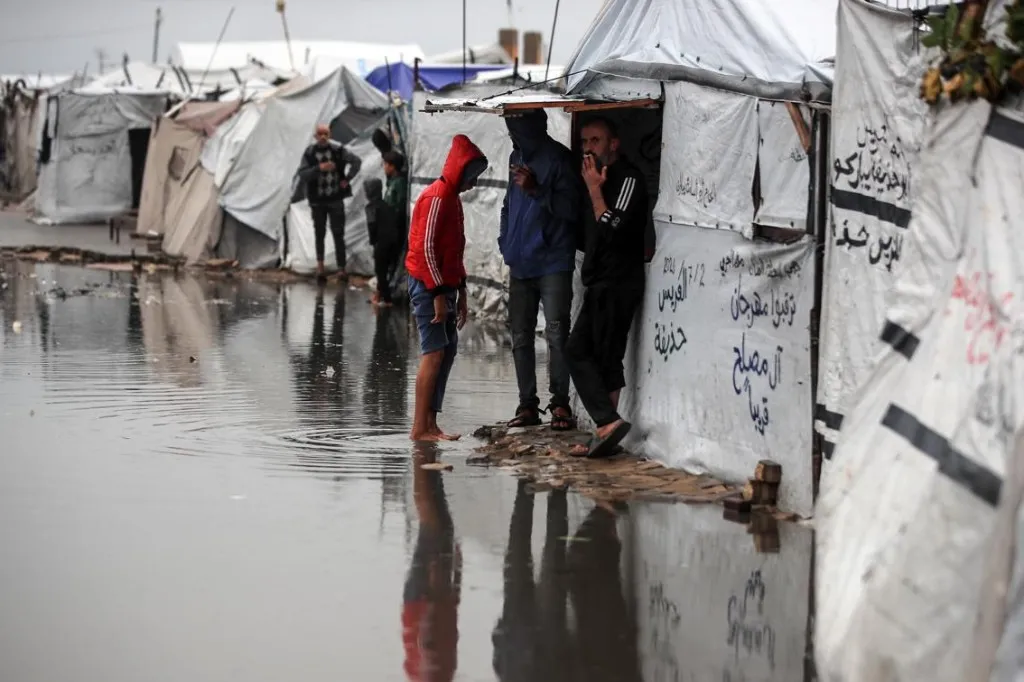
The report’s findings, based on satellite imagery, remote sensing, and scientific data analysis, point to widespread groundwater contamination and extensive damage to sewage infrastructure. Testing conducted in July 2026 detected fecal coliform bacteria in 19% of 79 sampled wells, compared with 2% in 2021.
The report estimates that only 19% of sewage pumping stations remain operational and that just 30% of the wastewater network retains some capacity. An estimated 40,000 cubic meters of untreated sewage enter the Mediterranean Sea each day, while another 15,000 cubic meters leak from the collection system.
The report also identifies serious long-term contamination risks in areas including Beit Hanoun, Wadi Gaza, and northeast Khan Younis. It warns that contaminated dust, damaged infrastructure, and sewage overflows pose additional risks to public health, agriculture, and drinking-water supplies across the territory.
However, Prof. Gerald Steinberg, founder of the Jerusalem-based NGO-Monitor, told The Press Service of Israel that the report presents an incomplete picture by failing to examine Hamas’s contribution to Gaza’s environmental vulnerabilities through its governance, militarization, and diversion of civilian materials long before the October 7, 2023 attack.
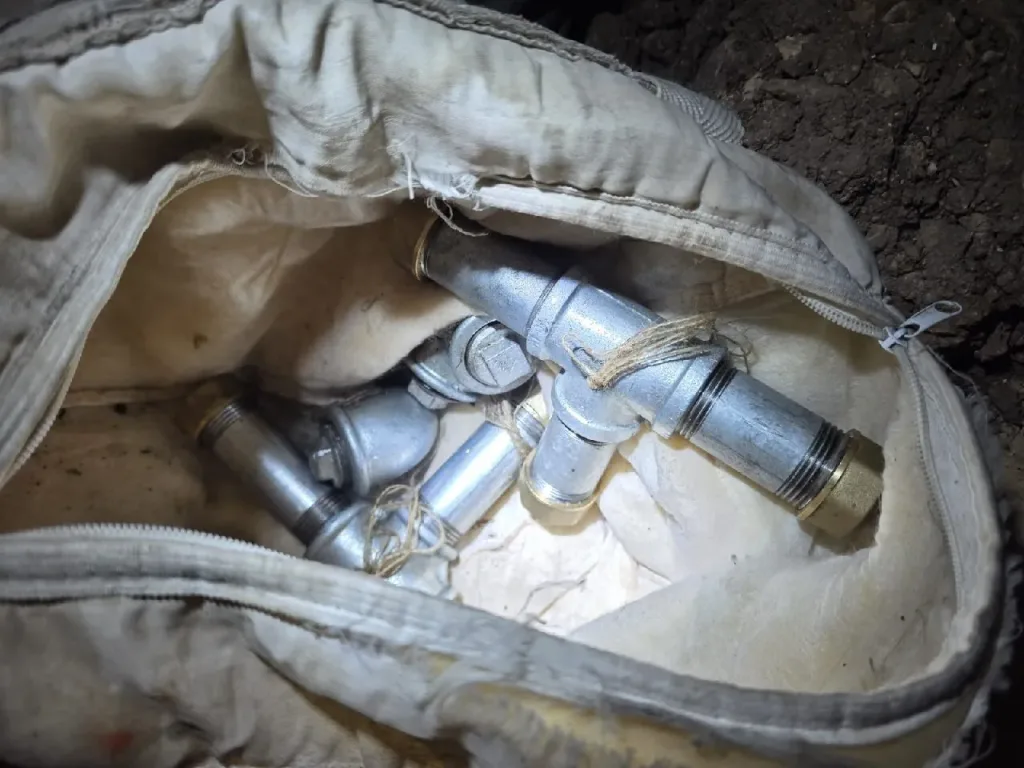
“Hamas advertised its own digging up of water pipes to turn into rockets as far back as 2021,” he said.
Steinberg argued that Hamas’s governance, militarization, and diversion of civilian materials contributed to Gaza’s environmental vulnerabilities long before the October 7 massacre.
“It is especially problematic for Oxfam to assign blame for Gaza’s environmental problems to Israel rather than to Hamas’s diversion of environmental protection infrastructure and resources,” he said.