


By Pesach Benson • September 27, 2026
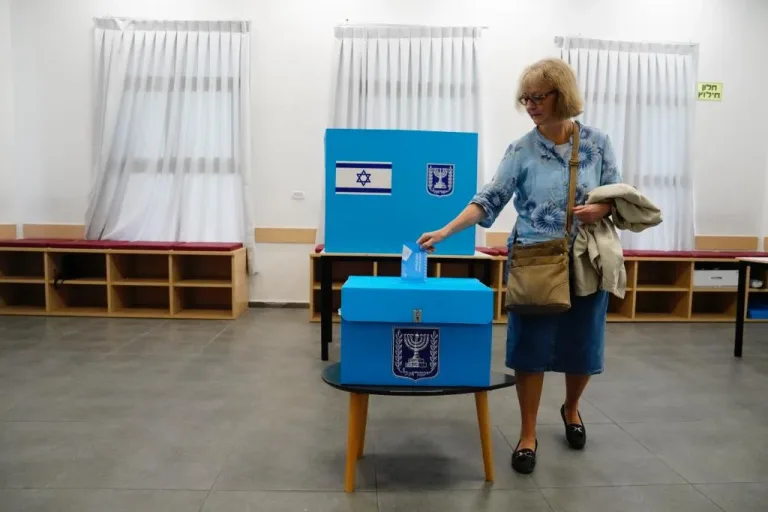
Jerusalem, 27 September, 2026 (TPS-IL) — With Israel’s elections 30 days away, a new survey finds that 45% of Israelis would consider switching their vote if official data showed that the party they intended to support had failed to fulfill most of its promises.
The survey, conducted by the Rushink Institute for the Center for Citizen Empowerment, a Tel Aviv University-based nonprofit focused on improving government effectiveness and accountability, polled 504 Israelis aged 18 to 75.
“The public no longer buys promises, but most of them also don’t check whether they have been kept,” said Ido Pick, the center’s CEO.
Eight percent said they would definitely consider changing their vote, while 37% said they would probably do so. Another 37% were undecided, and 18% ruled out changing their vote.
However, only 31% of the 450 respondents who voted in the previous election said they had thoroughly examined whether their preferred party had fulfilled its promises.
The findings also point to low public trust in political leadership. Only 9% of respondents said they had high or very high trust in current Knesset members, while 19% expressed high trust in government ministers and their ability to make decisions for Israel.
Government announcements about major reforms or large budgets also drew skepticism. Seventy-nine percent said they would view such announcements with either distrust or skepticism, including 37% who saw them primarily as political statements and 42% who believed much of the proposed funding or plans would not be implemented.
Sixty-two percent said they believed that at least half of government decisions are ultimately not implemented. Political and coalition considerations were cited as the leading reason, at 35%, followed by insufficient oversight and accountability, at 18%.
Detailed policy plans were the most commonly cited factor influencing voting decisions, selected by 33% of respondents. Meanwhile, 43% supported requiring candidates for prime minister and senior ministers to participate in televised debates based on their past performance.
Elections are scheduled for October 27.