


By Pesach Benson • October 5, 2026
Jerusalem, 5 October, 2026 (TPS-IL) — Psychiatric emergency department visits by Israeli children and teenagers were 121.3% higher in the third year after Hamas’s Oct. 7, 2023, attack than before the war, according to a Clalit Health Services analysis released Sunday.
The report, based on data from about five million Clalit members, found that the increase followed a 78.3% rise in psychiatric emergency visits among children and teenagers during the second year of the war. It also found sharp increases in mental-health diagnoses and some physical-health problems among Israelis evacuated from communities near the Gaza and Lebanon borders.
The findings were released ahead of the third anniversary of Hamas’s Oct. 7 attack, when Hamas-led terrorists killed about 1,200 people and abducted 251 to Gaza.
“Three years of war have taken a heavy toll on Israel,” Clalit CEO Prof. Eytan Wirtheim said. “The war does not end when the security event passes.”
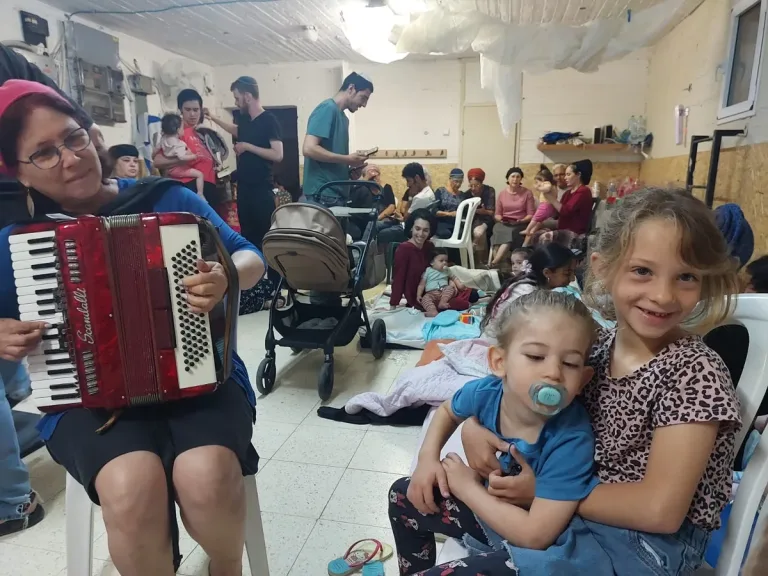
The report found that the psychological impact was particularly pronounced among Israelis evacuated from southern communities near the Gaza border. New diagnoses of post-traumatic stress disorder (PTSD) among southern evacuees were 18 times higher than the prewar level during the first year of the war. Although the gap narrowed, diagnoses remained six times higher than the prewar level during the third year.
Anxiety diagnoses among the evacuees were 10 times higher during the first year, while diagnoses of sleep disorders increased by about 358%.
The report also found increases in mental-health diagnoses among Israelis nationwide. New anxiety diagnoses increased 45.5% during the first year compared with the prewar level, while PTSD diagnoses doubled. Among children, anxiety diagnoses rose by roughly 40% to 70%, and referrals from pediatricians to mental health services increased 52.1%.
“The data show that the psychological consequences of the war and the events of October 7 are a deep and ongoing crisis that presents a national challenge to Israel’s mental health system,” said Prof. Amir Krivoy, director of Clalit-Geha Mental Health Center and Clalit’s Center for Resilience and Mental Health Research.
The report also identified changes in physical-health indicators among displaced Israelis. Uncontrolled blood pressure among southern evacuees increased by as much as 53.7%, while new diagnoses of high cholesterol and other blood lipid disorders among northern evacuees rose by about 60%.
Clalit officials said prolonged displacement and disrupted routines may have contributed to the changes.
“Most evacuees experienced significant changes in their lifestyle and diet,” said Dr. Avital Margalit, director of the Galilee Administration in Clalit’s Northern District, pointing to reduced physical activity, emotional eating and prolonged stays in hotels.
The report also found changes in medication use among children. Prescriptions for Minirin, a medication used to treat bedwetting, rose 47.8% among children evacuated from southern Israel during the third year compared with the prewar baseline.
Medication use for attention and concentration disorders increased 25% nationwide.
“We are dealing with ongoing psychological and physical consequences that require treatment and continuity of medical care in the community in the years ahead,” said Dr. Jordan Lewinski, director of Mental Health Services at Clalit.
Wirtheim called for expanded mental health services and more psychiatrists, psychologists and therapists to address the continuing needs.