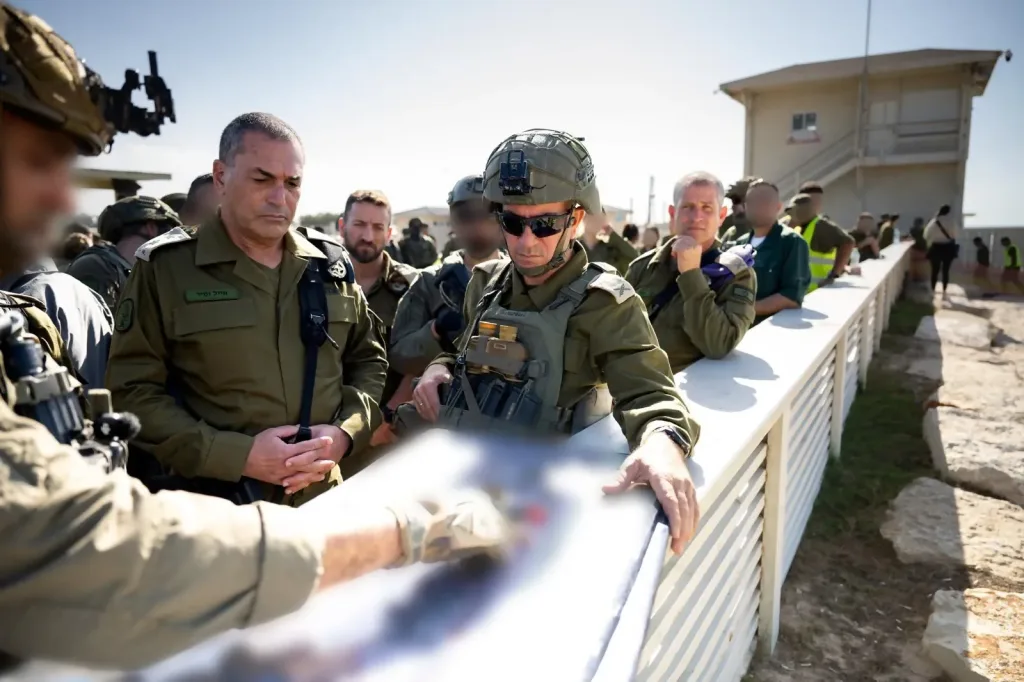
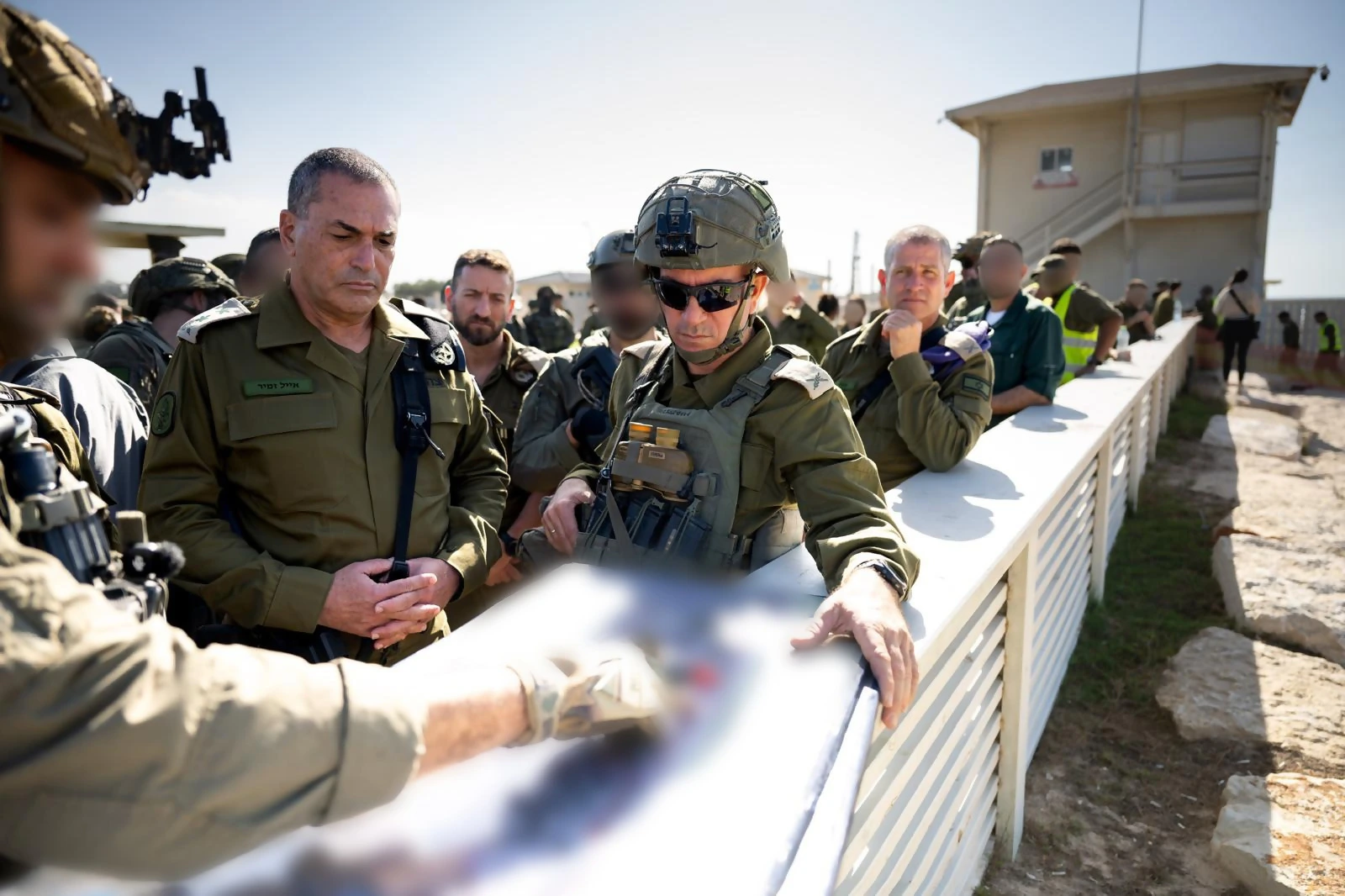
The Chief of Staff, Lt. Gen. Eyal Zamir, visited the Southern Command today (Sunday) as part of a command exercise, along with the Commander of the Southern Command, Maj. Gen. Yaniv Asor, Commander of Division 162, Brig. Gen. Sagiv Dahan, Commander of the Gaza Division, Brig. Gen. Liron Bitito, Head of the Doctrine and Training Division, Brig. Gen. Yehuda Vach, Head of the Operations Division, Brig. Gen. Barak Hirum, Commander of the National Ground Training Center, Brig. Gen. Yaniv Barot, brigade commanders, battalion commanders in active service and reserve, and additional commanders.
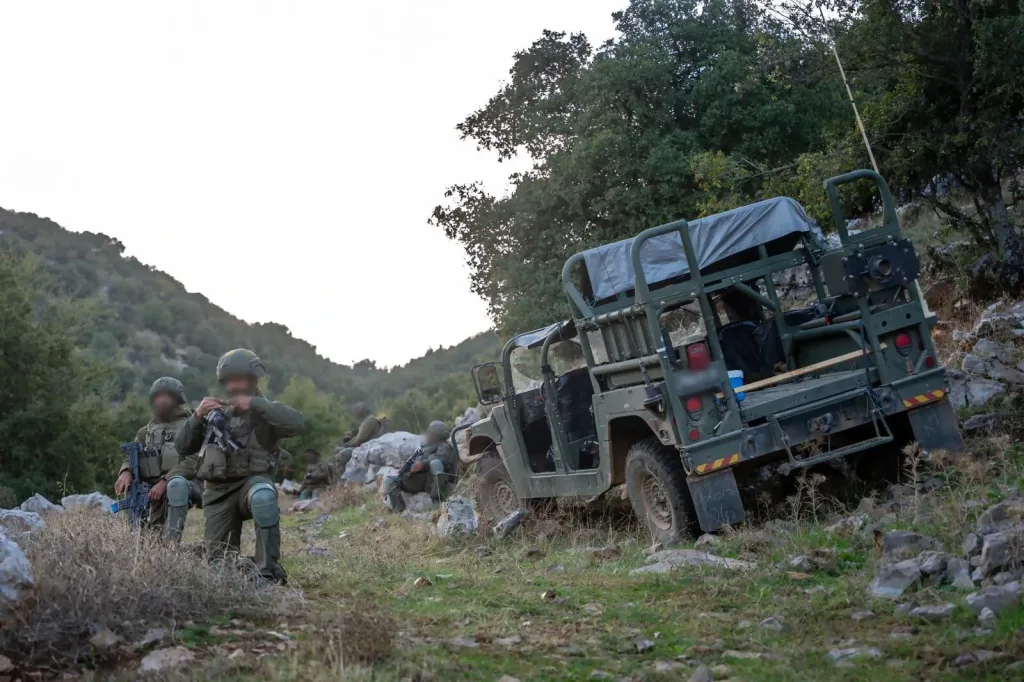
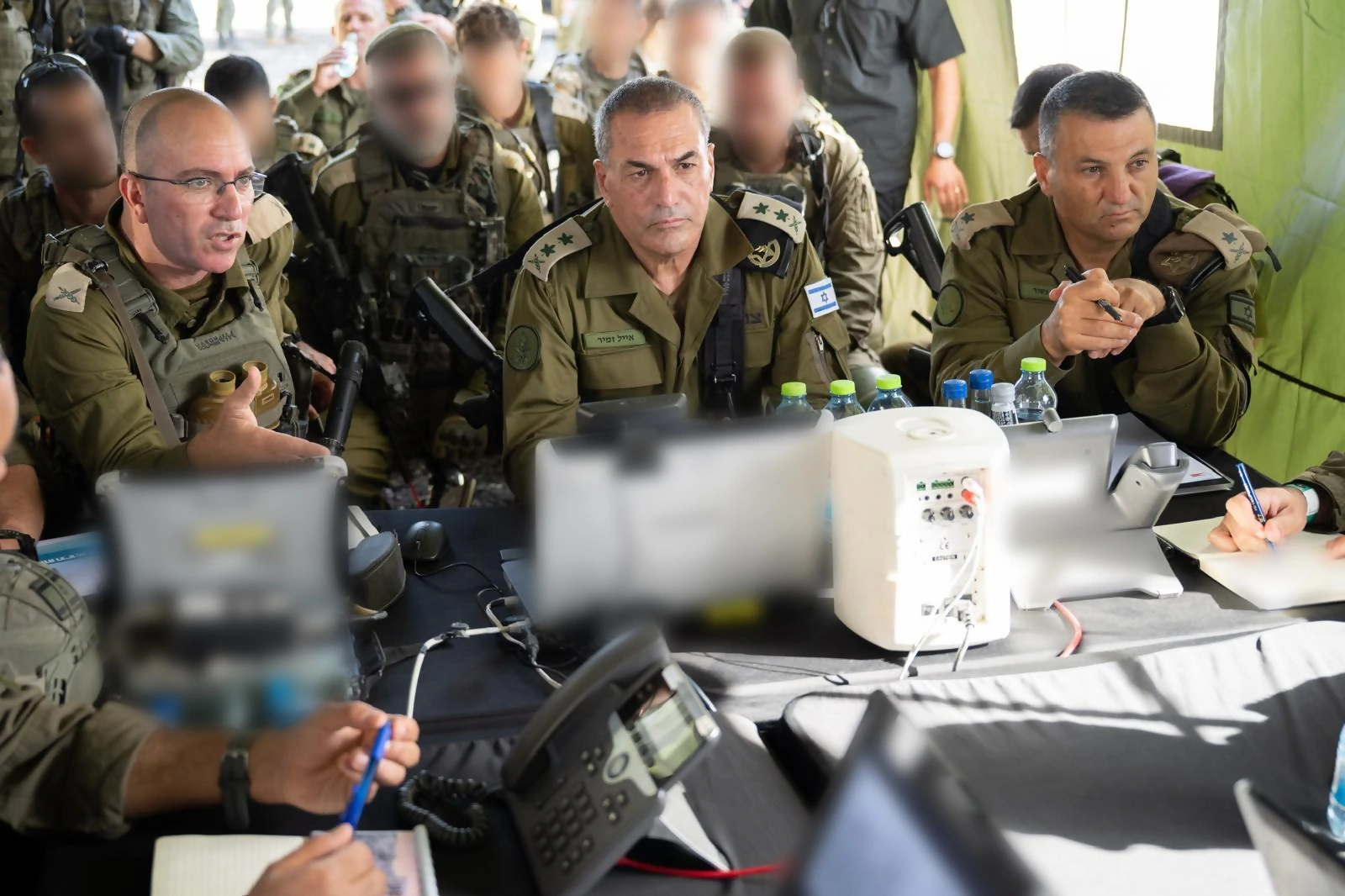
As part of the exercise, surprise scenarios were practiced in the “Yellow Line” area and in the Western Negev communities, including raids on outposts, infiltrations from the air, sea, and land, threats from drones, mass casualty incidents, and additional scenarios. During the exercise, the Chief of Staff held a situation assessment, during which the operational situation in the sector, plans for the continuation of forces’ activity, and their readiness for ongoing defense missions were presented.
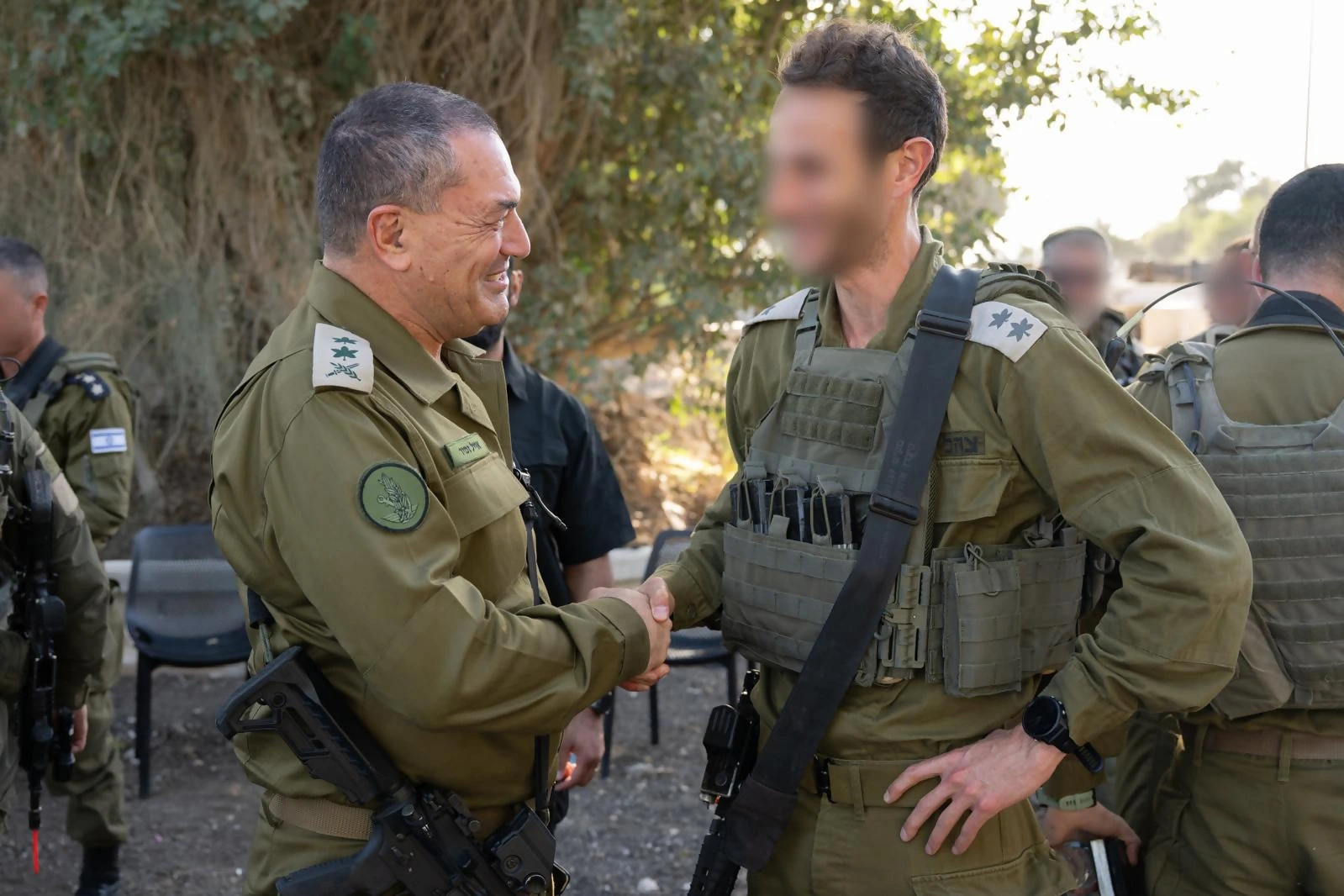
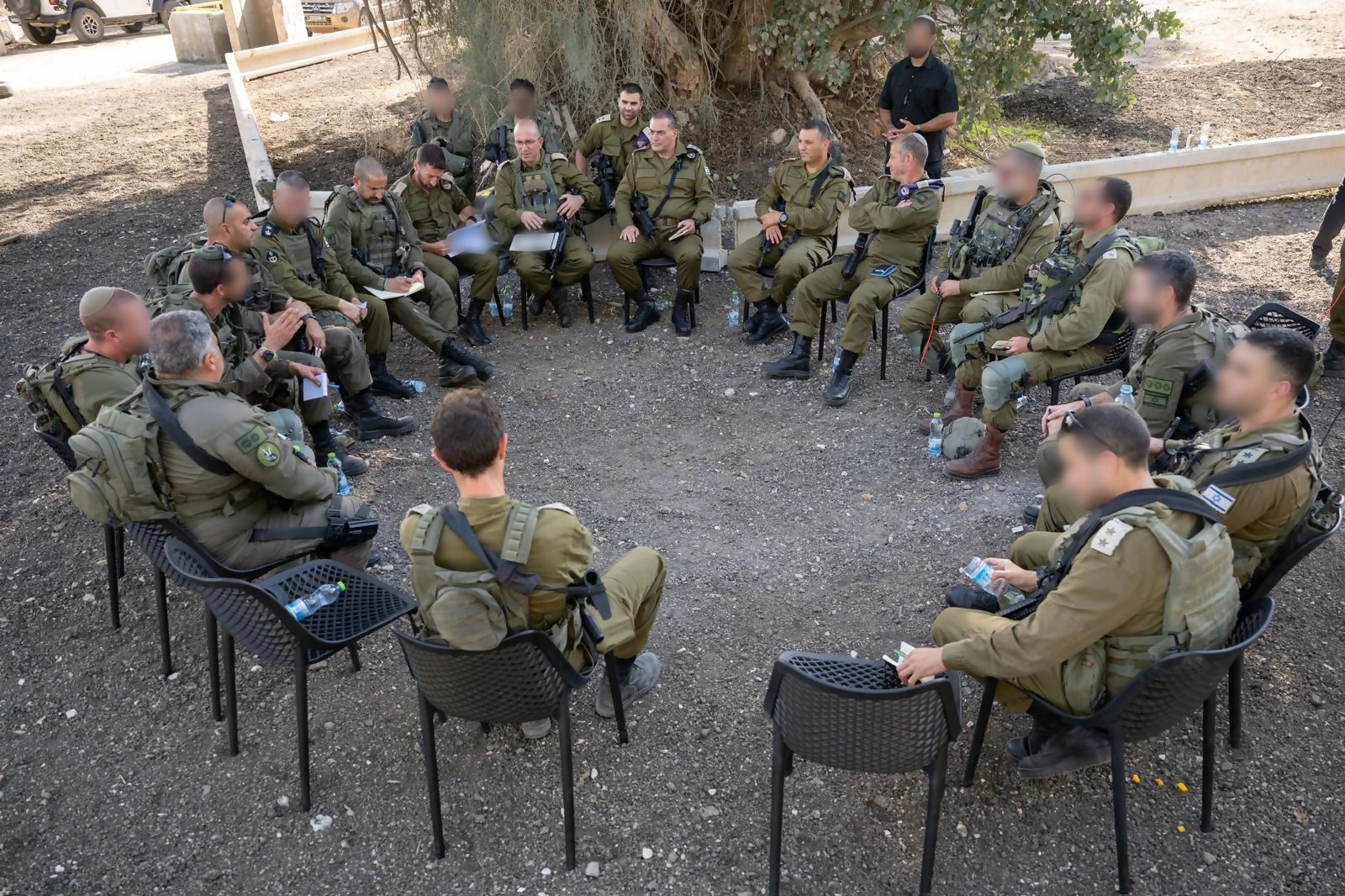
Subsequently, the Chief of Staff held a discussion with brigade commanders and battalion commanders in active service and reserve, during which he addressed the operational challenges in the sector, examined the forces’ readiness for their missions, and expressed his appreciation for their ongoing operational activity.
“The IDF operates in all arenas of conflict in accordance with a determined and orderly security concept,” said the Chief of Staff, Lt. Gen. Eyal Zamir, “in order to protect communities and the border – this also applies to Hamas in the Gaza Strip. Under the leadership of the Southern Command, we continue a sustained effort to weaken the organization and its capabilities – senior members of the organization and terrorists from October 7th are being pursued and eliminated.”
“We will continue to thwart threats as they emerge and prevent the buildup of terror organizations – as part of this concept, we will work to strengthen the forward defense areas, and the IDF will hold and defend from deep within enemy territory on the community front. We are monitoring developments and threats in all arenas and preparing accordingly.”
“Yesterday we attacked three terrorists from the Islamic Jihad organization,” added the Chief of Staff, Lt. Gen. Eyal Zamir, “who were disguised as humanitarian aid workers and misleadingly presented as such. This is another example of the cynicism that terror organizations use to rebuild their military strength, exploiting the residents of the Strip and the civilian space. Just last week, we destroyed an underground terror infrastructure in the central camps and neutralized the commander of the Khan Yunis Brigade.”
“One of the main lessons of October 7th is that we must be prepared for surprises. Therefore, we continue to examine our assumptions, practice different situations, and test our readiness even when events unfold differently than we predicted. Our responsibility is to be prepared to act quickly and protect the residents even as the threat changes.”
“Last week we held a discussion on the activity plan for the coming year and made important decisions,” said the Chief of Staff, Lt. Gen. Eyal Zamir, “The IDF needs an increase in forces to meet the significantly expanded operational challenges – this is the fourth year of fighting, and even after the steps we are taking to alleviate the burden, it will continue.”
“We will continue to act out of a deep commitment to the people who serve the country and risk their lives, and we will work to ease the burden on reservists, compensate them appropriately, and enable training periods and basic readiness for regular forces as much as possible. The consideration of the state’s security and the defense of its citizens is the compass before our eyes – any significant change or broad escalation in the security reality, which would require the deployment of additional forces, will necessitate a re-planning of the schedule.”