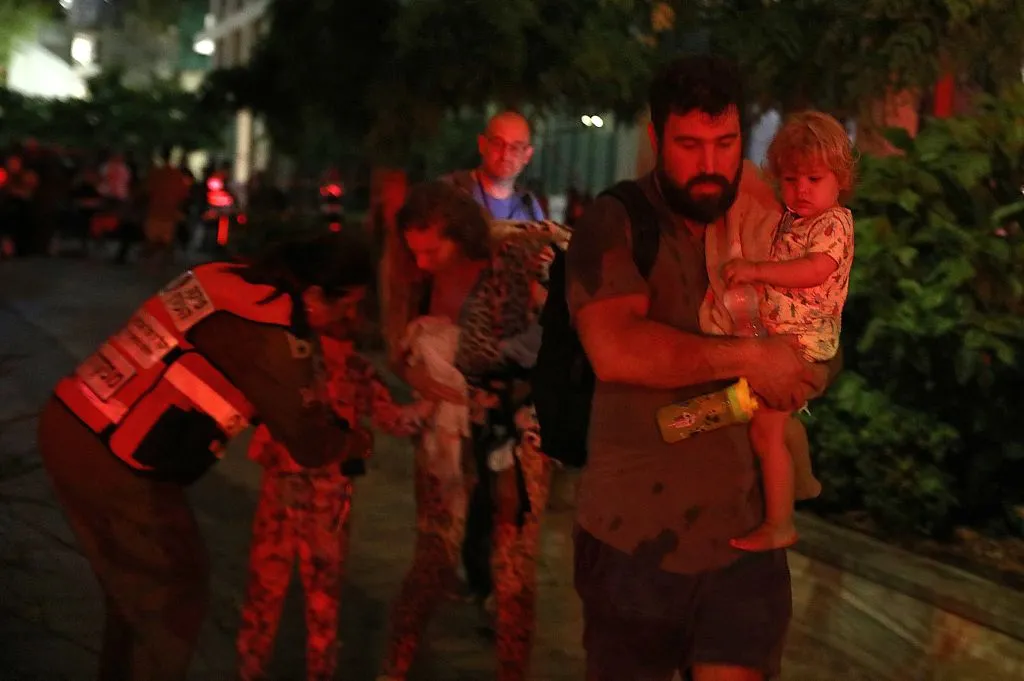
Jerusalem, 19 October, 2026 (TPS-IL) — A new study suggests that tracking psychological distress over time may help identify people at risk of lasting post-traumatic stress following the October 7, 2023, terrorist attack. The findings show that severe initial distress does not necessarily lead to long-term difficulties, while symptoms can worsen months later even among people who initially appear to be coping well.
Published in the peer-reviewed journal Clinical Psychological Science, the study examined psychological responses among 1,035 predominantly Jewish Israeli adults over six months following the attack. It was led by Dr. Dana Katsoty of the Hebrew University of Jerusalem and Columbia University Irving Medical Center, together with Prof. Ariel Knafo-Noam of the Hebrew University of Jerusalem and Prof. Anthony D. Mancini of Pace University.
The researchers assessed participants approximately two weeks after the attack, seven weeks after the attack, and again six months later. They identified four distinct patterns of psychological distress.
More than half of the participants (54.5%) followed a resilience pattern, maintaining relatively low levels of distress that declined further over time. Another 29.1% initially experienced severe distress but improved substantially. By contrast, 13.9% experienced persistently high distress, while 2.5% initially reported relatively mild distress before their symptoms worsened.
The study’s central finding was that these patterns helped predict post-traumatic stress disorder (PTSD) symptoms at six months, even after researchers accounted for participants’ distress levels at that assessment. The course of a person’s psychological response therefore provided information that a single measurement could miss.
“One of the most important messages from our findings is that early distress does not necessarily mean someone is on a path toward long-term psychological difficulties,” Katsoty said. “Many people who initially experienced severe distress recovered over time. At the same time, a single assessment cannot identify everyone who will need support.”
Why Follow-Up Matters
The results suggest that repeated assessments could help mental health professionals distinguish between people whose symptoms are improving and those whose distress persists or emerges later. However, the study examined patterns associated with later PTSD symptoms rather than testing whether repeated screening improves treatment or recovery.
The researchers also examined factors associated with different patterns of distress. Older participants and men were more likely to follow the resilience pattern. Participants who reported more positive emotions in the weeks following the attack and those who viewed the world as generally safe were also more likely to show resilience.
Greater exposure to traumatic events was associated with chronic distress and with the recovery pattern, in which participants experienced severe initial distress before improving. Regular volunteering before the war was also associated with better outcomes, although this difference was observed between the resilience and recovery groups.
The findings on empathy were more complex. The researchers distinguished between empathic distress, or personal distress in response to another person’s suffering, and empathic concern, a more other-oriented emotional response. Both were associated with differences in psychological distress and patterns of adjustment.
Participants in the resilience group reported the lowest levels of both forms of empathy. Empathic concern was also associated with providing support to others and volunteering, while empathic distress was not associated with the same helping behaviors. The findings suggest that concern for others can be linked to both emotional strain and prosocial behavior, although the study cannot establish a causal relationship.
An additional finding was that receiving social support and volunteering during the war were not significantly associated with the four patterns of distress. Volunteering before the war, however, was associated with lower initial distress and a greater likelihood of following the resilience pattern rather than the recovery pattern.
The researchers suggested that established volunteering habits and the circumstances of wartime volunteering may help explain the difference. However, the findings do not establish that volunteering itself caused better psychological outcomes.
The study could help inform how mental health services follow up with people affected by mass trauma. Repeated assessments may help identify those whose symptoms persist or emerge months later, while distinguishing them from people who experience severe initial distress but gradually recover. Further research is needed to determine whether this approach improves treatment outcomes, but the findings suggest that an early assessment alone may not provide a complete picture of a person’s longer-term psychological needs.