



By David Israel • September 14, 2026
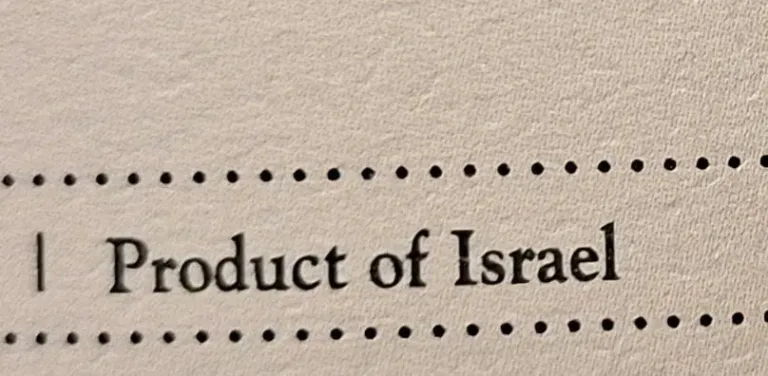
Jerusalem, 14 September, 2026 (TPS-IL) — European governments are moving toward tighter restrictions on products made in Israeli communities in Judea and Samaria, with Norway now preparing legislation that could make trading in such goods a criminal offense.
Norwegian authorities reported Sunday night that proposed legislation could impose prison terms of up to three years on individuals or companies that trade with Israeli communities in Judea and Samaria. The move comes amid a growing push by European governments to translate their opposition to Israeli communities in Judea and Samaria into trade restrictions.
Britain initiated the latest push for trade restrictions on goods produced in Israeli communities in Judea and Samaria, with Denmark, Finland, France, Ireland, Poland, Portugal, Spain and Sweden, along with Canada, Iceland and Norway, subsequently indicating that they intend either to introduce national measures or support restrictions at the European level.
The measures vary significantly from country to country. Britain has already moved toward an outright ban on imports of goods produced in what its government describes as Israeli settlements, while Canada and France have indicated that they intend to pursue similar restrictions. Other governments have so far stopped short of announcing specific national legislation.
Britain has announced the most extensive measure described so far. Foreign Secretary Ed Miliband told Parliament that Britain was ending what he described as complicity through inaction, saying, “we refuse to be bystanders.” The government is using existing sanctions legislation to enforce the restrictions, with deliberate violations of financial or trade sanctions carrying penalties of up to 10 years in prison.
The latest moves come against a backdrop of growing debate within Europe over Israeli communities in Judea and Samaria. EU foreign ministers considered several possible trade measures in July, with an EU-wide ban on goods produced in the communities receiving the strongest support among the options presented by the European Commission, according to EU foreign policy chief Kaja Kallas.
For now, however, the European response remains fragmented. National measures have limited reach because goods can circulate freely within the European Union once they have entered the bloc through another member state.
Israeli exports of goods and services totaled about $159 billion, of which about $250 million comes from Judea, Samaria, eastern Jerusalem and the Golan Heights. Roey Fisher, head of the Foreign Trade Administration at the Economy and Industry Ministry, told The Press Service of Israel that the greater concern is that foreign importers could become reluctant to deal with Israeli companies because they are uncertain about the origin of products.