Jerusalem, 20 November, 2026 (TPS-IL) — The Samaria Regional Council is moving ahead with plans for a new city east of Rosh HaAyin. Its backers say the city would serve as a protective belt for the Tel Aviv metropolitan area and help prevent a repeat of the October 7, 2023 attack.
The city, to be named Shira and also known as East Rosh HaAyin, is planned to include about 60,000 housing units for roughly 200,000 residents. It would cover about 16,000 dunams (around 4,000 acres). Once funding was allocated, the planning phase was underway and expected to take about two years.
The project has cleared several official hurdles. The security cabinet approved the city in December 2025. Maj. Gen. Avi Bluth, head of the IDF’s Central Command, later signed an order defining its jurisdiction. In September, the Interior Ministry assigned it an official community code.
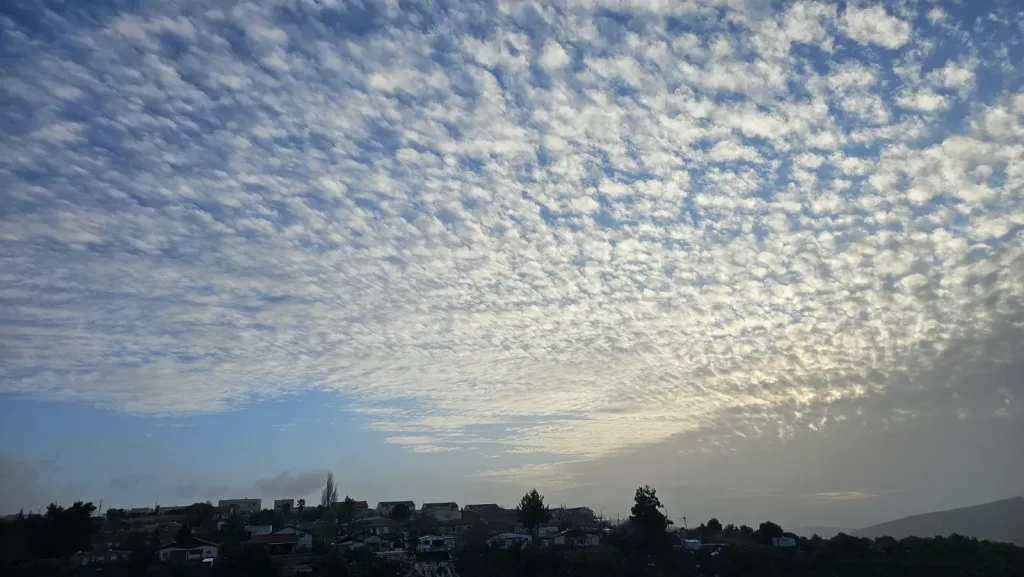
The site lies next to Highway 5, between Rosh HaAyin, which is inside the Green Line, and the communities of Peduel, Bruchin and Leshem. The council says the area suffers from illegal waste burning, which harms residents’ quality of life, as well as smuggling and unauthorized crossings into Israel. In its view, a large urban area would form a buffer between Samaria and central Israel and block the kind of infiltration by armed terrorists that Israel’s defense establishment treats as a planning scenario, a so-called “second October 7.”
“The city will be the protective belt of Metropolitan Tel Aviv against the October 7 threat,” council head Yossi Dagan said. He called the plan a strategic security move of the first order and said “Zionism and the building of the land will bring security.”
Shira is meant to be a mixed city of secular and religious residents. According to the council’s initial plan, it would combine low-rise housing with the denser construction typical of Tel Aviv-area cities.
The city is a central part of “Million in Samaria,” a plan Dagan has promoted for several years. It calls for bringing more than a million Israelis to the area by 2050 through new cities and towns, rail lines, hospitals and industrial zones. By the council’s estimate, the number of Jews living in Judea and Samaria could grow to as much as 1.2 million people. The council says all construction would take place on state land in Area C, the part of Judea and Samaria that is under full Israeli control according to the Oslo agreements.
About 540,000 Israelis now live in roughly 150 communities in Judea and Samaria, according to the figures cited by the council. That is roughly 5 percent of Israel’s population of about 10 million. The Israeli population in Judea and Samaria grew by 10,623 in 2025.
The plan is also politically charged. The Palestinian leadership and most governments consider Israeli communities in Judea and Samaria illegal under international law. Israel disputes that position. Opponents say new population centers entrench the occupation and undermine the prospects of a Palestinian state. Dagan, an outspoken advocate of Israeli expansion, was recently barred from entering France over his activism, according to Israeli media.
The council believes the plan is a matter of national security. “We have been working on this for more than four years with the council’s professional team,” Dagan said. He described the city as a step “on the way to a million residents in Samaria.”