
By Pesach Benson • August 25, 2026
Jerusalem, 25 August, 2026 (TPS-IL) — Israeli Researchers have found evidence that Natufian hunter-gatherers developed systematic methods for harvesting wild grains about 15,000 Years Ago, suggesting that humans were experimenting with managing wild crops thousands of years before established agriculture emerged.
The findings, announced by the University of Haifa, provide new evidence of deliberate grain harvesting before the domestication of crops. Researchers say the Natufians harvested wild grains at different stages of maturity, indicating an organized process and detailed knowledge of the plants they relied on.
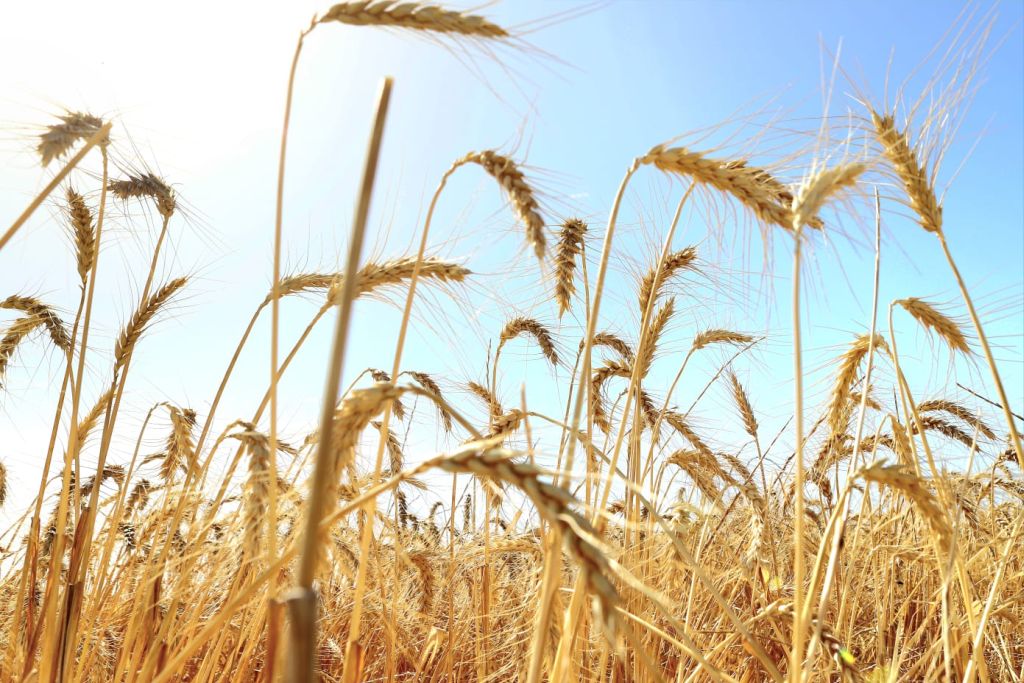
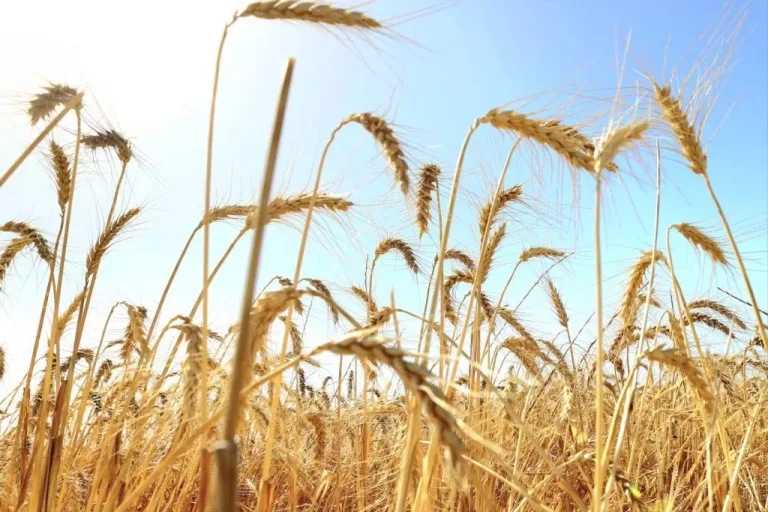
A wheat field in Israel’s Ayalon Valley ready for harvest on May 20, 2025. Photo by Roey Basevich/TPS-IL
“The findings not only indicate the harvesting of grains, but also the existence of species that do not decompose like the domesticated species that exist today, and the Natufians knew how to distinguish them and exploit them to increase the harvest,” said Dr. Iris Gruman-Yaroslavsky of the University of Haifa, who led the study.
The Natufian culture existed in the Levant between roughly 15,000 and 12,000 years ago, as hunter-gatherer communities increasingly adopted sedentary lifestyles. The period was marked by larger settlements, food storage and increasingly sophisticated tools.
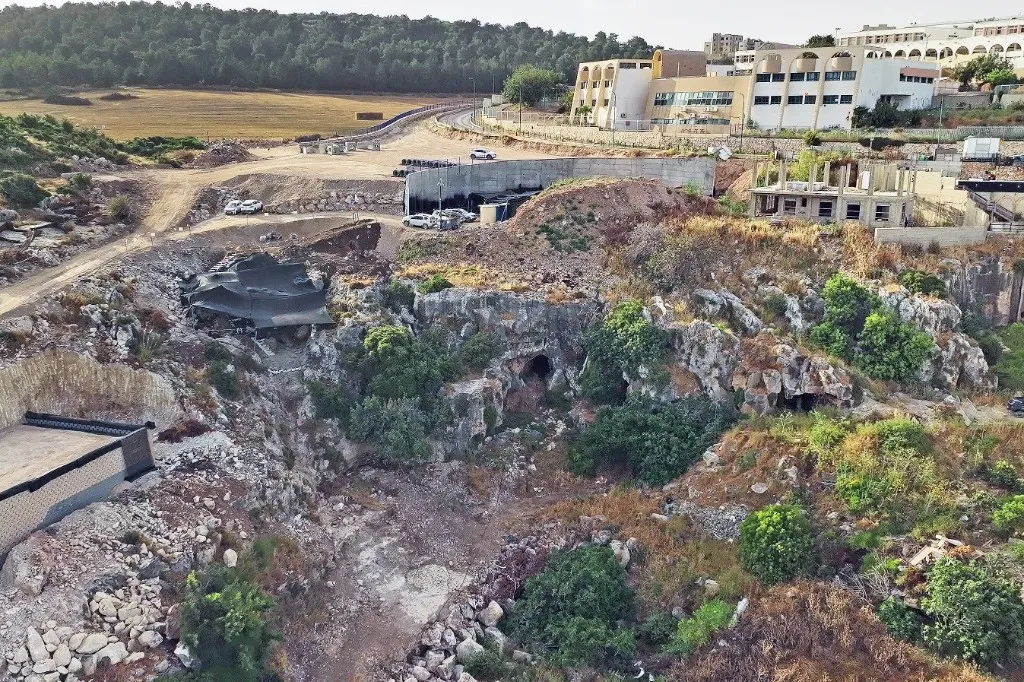
Researchers examined 90 sickle blades from the Carmel Stream Cave Terrace, an archaeological site south of Haifa, and another 68 from the Sylvia 1 site in the Jordan Valley. Using microscopes at up to 200 times magnification, they analyzed wear marks left on the blades during use.
The team found evidence that Natufian communities harvested wild grains at different stages of maturity over periods of several weeks.
To test their findings, the researchers conducted 17 experiments using 22 reconstructed sickles to harvest wild grains at different stages of ripening in various parts of Israel. By comparing the wear marks produced during the experiments with those found on the archaeological tools, they were able to distinguish between harvesting semi-ripe grains and more mature grains.
All 158 archaeological blades showed wear consistent with grain harvesting. About half showed evidence of particularly prolonged use, while some had been sharpened or otherwise maintained during use.
“The signs of use show that the sickle was a tool used in several stages of work,” the researchers said. “This combination indicates an organized work process and developed practical knowledge in processing wild grains.”
The researchers said harvesting grains before they naturally dispersed would have reduced the number of seeds available to regenerate the following year. Preserving and sowing some seeds could therefore have helped maintain harvests and potentially increase yields.
“We see this as an early form of grain cultivation, although it is not yet the established agriculture that developed in the Neolithic period,” Gruman-Yaroslavsky said.
The study was published in the peer-reviewed journal Scientific Reports.